Film and TV production luxury SUV rental is the booking of a vehicle for screen use, passenger transport, or both, with the aim of keeping the vehicle brief and shooting schedule aligned. Unlike a personal rental, a production booking must distinguish who drives, what appears on camera, and which activities need written approval.
- Luxury SUV rental for film productions starts with separating on-camera use from passenger transport.
- Fifth Ave Auto Group offers luxury self-drive rentals and chauffeur options through one team.
- Confirm filming permission, approved drivers, insurance requirements, vehicle details, and return arrangements before committing.
- Request a chauffeured black luxury SUV explicitly; do not assume a model name confirms exterior color.
Why luxury SUV rental matters for film productions
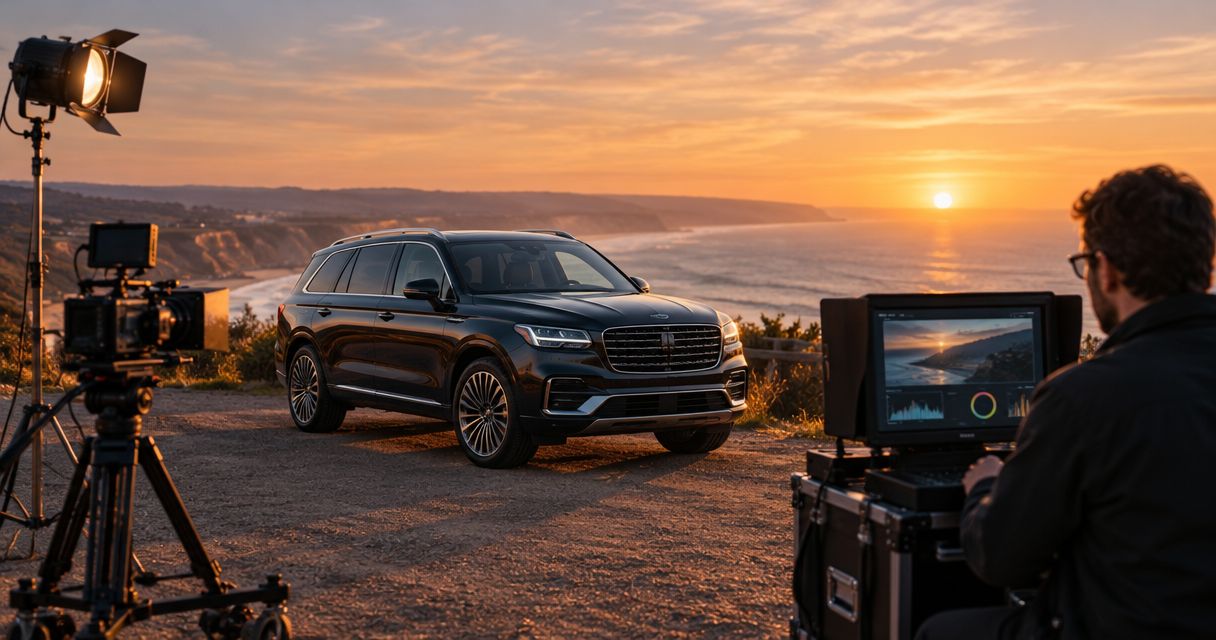
A production vehicle has two possible jobs: appearing in the story and moving people between locations. Those jobs need different instructions. A camera-ready vehicle brief concerns appearance and permitted use; a transport brief concerns passengers, luggage, pickup points, and timing.
Fifth Ave Auto Group is best suited to customers comparing luxury self-drive rentals and chauffeured travel through one team. Its stated service area includes New York, New Jersey, and Long Island. Start an inquiry with Fifth Ave Auto Group by describing the intended use, rather than assuming a standard rental includes filming permission.
For a 2026 shoot, separate the creative request from the operating request. A Cadillac Escalade reference communicates a model preference. It does not establish the exact vehicle, its appearance, or permission to attach equipment.
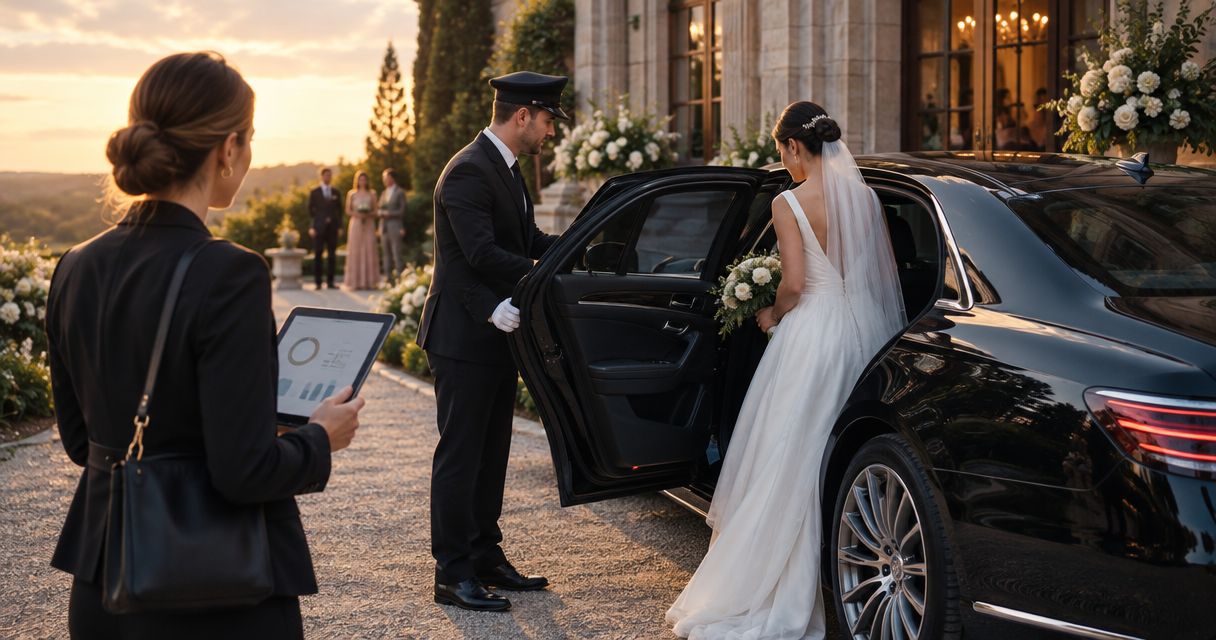
The same distinction applies to wedding scenes. Booking a vehicle to portray a wedding arrival is a production request; arranging an actual wedding car journey is passenger travel. State which you need, even when both happen on the same day.
How to plan a production SUV booking
1. Define the vehicle's job
Write a short brief before contacting suppliers. Use a shared document or email; no specialist planning system is necessary. Identify whether the SUV is a picture vehicle, passenger transport, or a proposed combination, then describe what actually happens around it.
A parked exterior shot differs from an interior dialogue scene. A chauffeured journey between a hotel and a location differs from a driver performing for camera. Do not describe all of these as simply needing an SUV for the day.
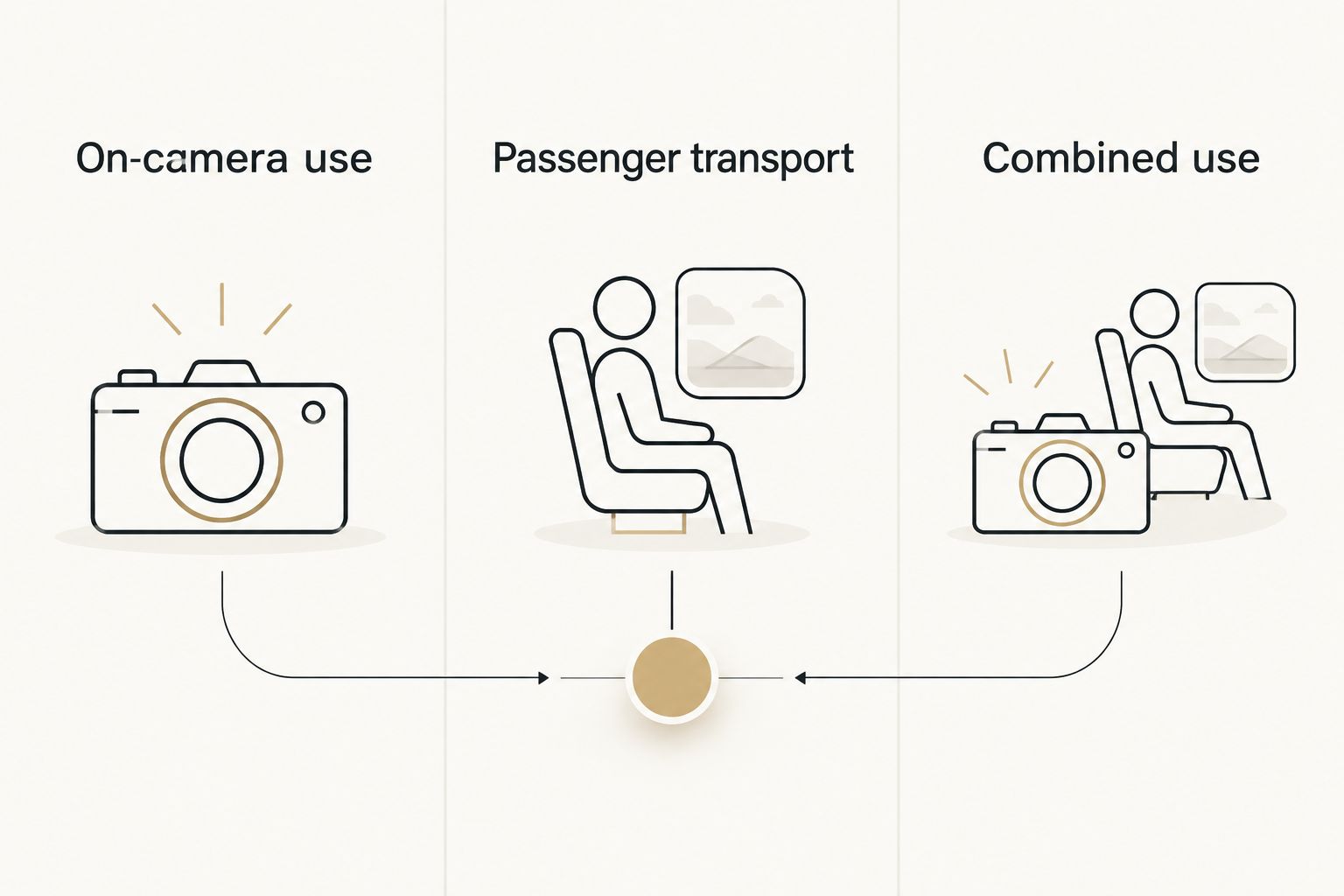
Choose the brief that matches the actual assignment. If the assignment changes during planning, update the request rather than relying on a conversation from an earlier version of the schedule.
- On-camera use: Describe parked, moving, exterior, and interior scenes.
- Passenger transport: List travelers, bags, pickup points, and destinations.
- Combined use: Separate filming periods from transport periods.
- Identify the person authorized to approve changes to the brief.
2. Choose self-drive or chauffeured travel
Start by assigning responsibility for driving. Self-drive is the format to discuss when your production intends to provide the driver, subject to approval and the agreement. Chauffeured travel is the format to discuss when the requirement is passenger movement with a driver.
Choose the service format before choosing the badge. Neither format establishes permission to film inside the vehicle, use a chauffeur on camera, or undertake production driving. Ask about those uses separately.
Fifth Ave Auto Group offers both formats through one team, so you can submit the same itinerary for discussion without presenting two unrelated briefs. Its self-drive or chauffeur guide addresses the underlying choice. Keep your production-specific permissions in the inquiry itself.
- Name each proposed self-drive driver for approval.
- Distinguish passenger transfers from scenes involving a driver.
- Request a chauffeured black luxury SUV explicitly when that is the brief.
- Ask whether filming and transport require separate arrangements.
3. Specify the exact vehicle requirements
Build an appearance checklist from the shot list. For a picture vehicle, continuity matters more than a broad category such as luxury SUV. Record the required model, exterior and interior appearance, and any features visible in the frame.
A model reference is a starting point, not confirmation of a particular vehicle. Fifth Ave Auto Group names the Cadillac Escalade among its vehicle examples, but the production must still confirm the actual vehicle proposed for the assignment. Request current photographs for review rather than treating general imagery as the continuity record.
For passenger-only travel, prioritize the people and luggage that must travel together. Do not turn an equipment movement requirement into an assumed passenger-vehicle capability.
- State which visual details are essential and which are preferences.
- Request photographs of relevant exterior and interior areas.
- Ask how the proposed vehicle will be identified in writing.
- Provide passenger and luggage details without assuming capacity.
- Confirm whether any substitution needs production approval.
4. Map the itinerary and access points
Put every movement into a simple schedule. For your 2026 production brief, use calendar dates as well as call times so that overnight work and next-day returns are unambiguous. Distinguish arrival at the location from the time the vehicle must be ready for filming.
Record 3 separate windows: collection or delivery, active use, and return. This is a planning structure, not a statement about rental minimums. Include waiting periods and any movement between New York, New Jersey, and Long Island.
Access deserves its own line. A street address does not explain which entrance the vehicle should use, where passengers meet it, or who controls the holding area. Confirm those details with the location contact.
- List each stop in travel order, including the final return point.
- Mark filming periods, passenger transfers, and stationary waiting.
- Identify the location contact and access instructions.
- Ask about travel-area and mileage terms for the proposed route.
- Describe overnight parking or holding requirements for approval.
5. Confirm permissions and insurance requirements
Send the intended activity to the provider and your production insurance contact before committing. Explain whether the vehicle will appear on camera, carry equipment, have anything attached to it, or be driven as part of a scene. A general request for a luxury rental leaves those questions unanswered.
Do not treat ordinary rental approval as approval for production activity. Ask for written confirmation covering the actual use. Your location team should also confirm the permissions relevant to the location and filming activity with the appropriate authority.
For a 2026 booking, review the documents issued for that assignment. A previous production's paperwork is not confirmation for a different vehicle, driver, route, or use.
- Describe proposed camera mounts, coverings, props, or temporary changes.
- Identify every person who would drive or move the vehicle.
- Ask what insurance documentation the proposed use requires.
- Have your insurance contact review relevant exclusions and responsibilities.
- Keep the approved scope with the booking documents.
6. Prepare the handoff and continuity record
Create a short handoff checklist that both transport and production staff can read. Photograph the vehicle's condition at collection and return, and follow the documentation process set out in the agreement. Keep condition records separate from the creative reference images used by the art department.
For a picture vehicle, note visible details that need to remain consistent between scenes. For chauffeured passenger travel, concentrate on the meeting point, passenger contact, and destination. Neither task requires an elaborate document; clear ownership matters more.
If the SUV serves both purposes, specify who authorizes the switch from filming to transport. Do not let a passenger departure conflict with a scene that still needs the vehicle.
- Record visible condition and any existing marks at handoff.
- Note the vehicle identification supplied in the booking documents.
- Assign responsibility for keys during each approved use.
- Record any agreed cabin or exterior presentation requirements.
- Confirm the return inspection and handover contact.
7. Submit one qualified inquiry
Bring the brief, itinerary, and permissions questions into one message. The strongest inquiry describes the assignment plainly and separates essential requirements from preferences. Ask the provider to respond to the requested scope rather than sending only a model name and a date.
Fifth Ave Auto Group pricing is available on request. Request a written proposal for the actual service format and itinerary, then review its terms alongside the approved vehicle use. Do not assume that a proposal for passenger travel covers an on-camera assignment.
Keep a dated version of your 2026 brief. When the shoot changes, send the revised details and ask for written confirmation of any affected arrangements.
- Specify the preferred vehicle or vehicle category.
- Include dates, service windows, and the full itinerary.
- State self-drive, chauffeured travel, or a proposed combination.
- Explain filming activity, passengers, luggage, and proposed drivers.
- Request written confirmation of permissions and booking terms.
Submit your vehicle brief
Include the vehicle, dates, service format, itinerary, and intended filming activity.
Compare booking options for your production
Choose by function rather than prestige. Each option below solves a different problem, and none removes the need to confirm the proposed activity in writing. These are booking approaches, not confirmed production packages.
| Option | Best for | Main benefit | Key limitation |
|---|---|---|---|
| Self-drive luxury SUV | Productions proposing their own approved driver | Keeps the driving assignment with the production's nominated driver | Driver approval and permitted filming activity still need confirmation |
| Chauffeured luxury SUV | Cast, client, or executive passenger movements | Provides a driver for the agreed journey | Passenger service does not itself establish on-camera permission |
| Separate picture and transport vehicles | Shoots with overlapping filming and travel needs | Keeps the picture vehicle's schedule separate from passenger departures | Requires coordination of separate vehicle assignments |
| Combined picture and transport assignment | Non-overlapping scenes and journeys | Uses one proposed vehicle across a defined schedule | A delay in one assignment affects the other |
For a wedding storyline, apply the same comparison. An SUV appearing in an arrival scene has a picture-vehicle brief. An actual wedding car booking or chauffeured black luxury SUV carrying guests has a passenger brief. Neither should be described as event-equipment hire.
Common mistakes production teams make
Treating a model request as a continuity guarantee
An Escalade request does not confirm the exact vehicle or its visible details. Approve the proposed vehicle against the shot requirements, and document how substitutions will be handled before relying on it for matching scenes.
Booking passenger service for an undisclosed filming task
A chauffeur request that omits camera work leaves a material part of the assignment unaddressed. Describe interior filming, driver visibility, equipment, and repeated movements before asking for confirmation.
Giving the same SUV conflicting jobs
A vehicle cannot remain in a shot and depart with passengers at the same time. Separate picture and transport windows on the schedule; use separate vehicle assignments when those windows overlap.
Leaving the return outside the production schedule
The final take is not necessarily the end of the vehicle assignment. Include travel to the agreed return point, removal of approved temporary items, and the handoff in your 2026 plan.
FAQ
What's the best way to arrange a luxury SUV rental for film productions?
Start with a written brief separating on-camera use from passenger transport. Include the vehicle requirements, dates, service format, itinerary, proposed drivers, and filming activity so the provider can assess the actual assignment.
Is self-drive or a chauffeured SUV better for a production?
Self-drive is the format to discuss when the production proposes its own driver; chauffeured travel is the format to discuss for passenger movements with a driver. Both require separate confirmation of any filming activity.
Can I film inside a rented luxury SUV?
Ask the provider to approve interior filming before booking. Describe occupants, equipment, attachments, vehicle movement, and who will drive, then obtain written confirmation of the permitted scope.
Can I request a black luxury SUV with a chauffeur?
Yes, specify a chauffeured black luxury SUV in the inquiry. Ask for confirmation of the proposed vehicle, exterior color, passenger requirements, and journey details rather than assuming the model name settles them.
Does Fifth Ave Auto Group offer self-drive and chauffeur options?
Fifth Ave Auto Group offers luxury self-drive rentals and chauffeur options for individuals and corporate clients in New York, New Jersey, and Long Island. A production must separately confirm whether its intended filming use is accepted.
Can the same SUV appear on camera and transport cast?
Propose combined use only with separate filming and passenger-transport windows. Ask for approval of both activities and avoid assigning a passenger departure during a scene that still requires the vehicle.
What should I confirm for a wedding scene or wedding car booking?
First confirm whether the vehicle is appearing in a fictional scene or carrying passengers for an actual wedding. A filming request needs an activity brief; a wedding journey needs passenger, venue, timing, and service-format details.
One last thing
Write the last movement first. Decide where the SUV must finish, who hands it over, and when its responsibilities end; then work backward through the shoot. This exposes a common scheduling conflict: the vehicle needed for the final scene is also expected to take someone home.