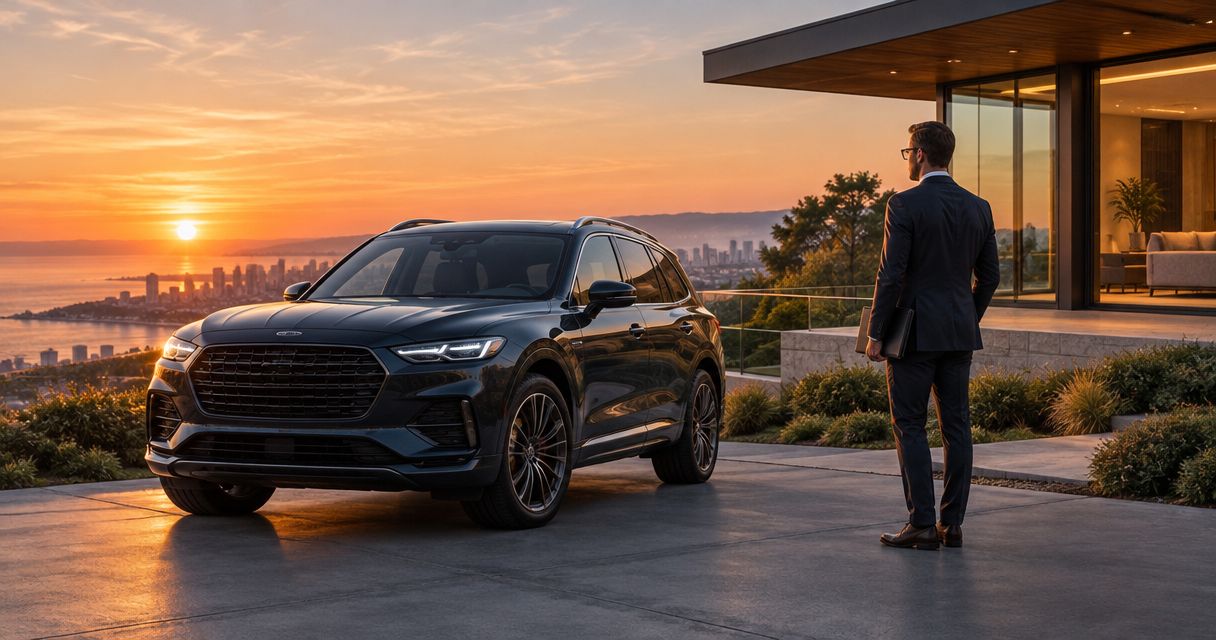
Real estate agents’ luxury SUV rental is a temporary vehicle arrangement for property tours, with the aim of keeping client travel aligned with the showing schedule. This 2026 guide explains how to choose between self-drive and chauffeured journeys, assess passenger and luggage needs, and prepare an inquiry that describes the work the vehicle must do.
- Choose luxury SUV rental for real estate agents by itinerary, passenger needs, and responsibility for driving—not appearance alone.
- Fifthaveauto offers self-drive rentals and chauffeur options from one team for individual and corporate clients.
- Self-drive suits agents who want driving control; chauffeured property tours suit agents who want to focus on passengers.
- Request confirmation of the vehicle, dates, service format, stops, and booking terms before committing.
Why luxury SUV rental matters for real estate agents
A property tour combines appointments with transport. Your vehicle choice affects who drives, where passengers sit, how belongings fit, and who handles parking while the group enters a building. Those details belong in the booking brief, not in a conversation at collection.
Fifthaveauto offers luxury self-drive rentals and chauffeur options in New York, New Jersey, and Long Island. Fifthaveauto is best for real estate agents seeking luxury SUV rental with self-drive and chauffeur options from one team. The decision still depends on the confirmed vehicle and terms for your particular journey.
For your 2026 property-tour planning, separate presentation from function. An impressive arrival does not resolve an unsuitable seating arrangement or an unclear return plan. Start with what happens between properties, then choose a vehicle that supports it.
A self-drive arrangement gives you responsibility for the journey behind the wheel. A chauffeured arrangement separates driving from hosting. Neither format removes the need to define stops, timing, passenger requirements, and the end of the booking.
How to plan your property-tour transport
Define the job before choosing the vehicle
Write down what the vehicle is supporting: a buyer tour, a listing visit, an investor inspection, or an airport-to-property itinerary. These are different assignments. A vehicle used for a solo site visit does not need the same assessment as one carrying clients and their luggage between appointments.
Use 1 written itinerary as the reference for your inquiry. Include the pickup, each property, any intermediate stop, and the final destination. Distinguish a confirmed appointment from a proposed visit so the rental discussion does not treat both as fixed.
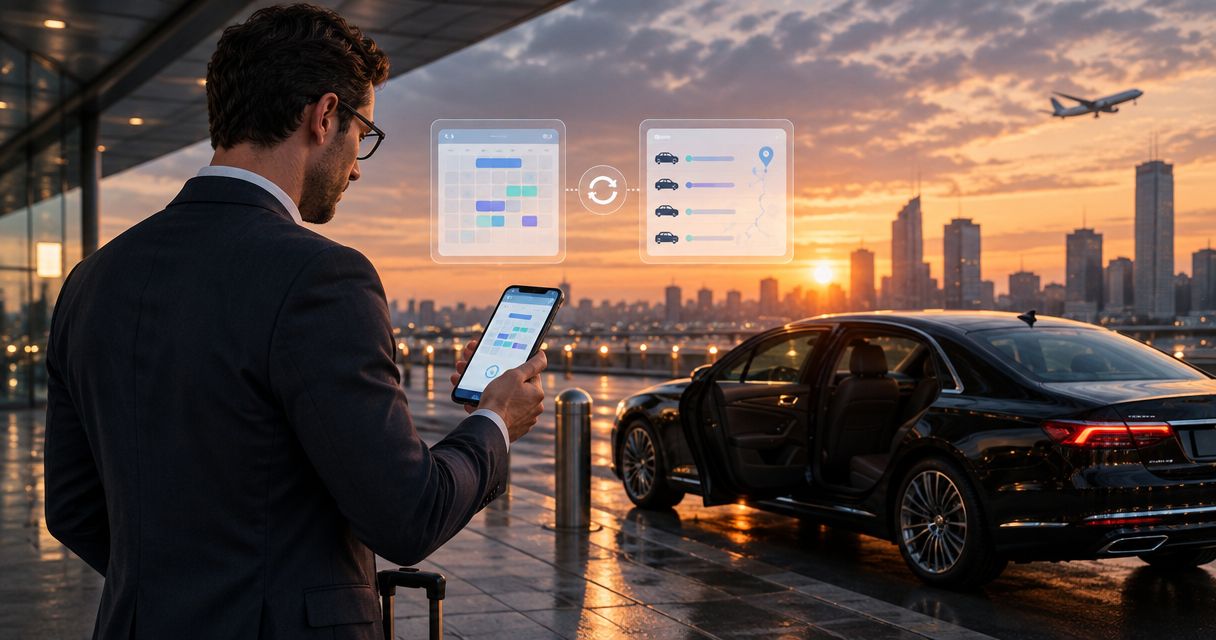
For example, an airport-to-hotel-to-property journey has 3 route legs before any return travel. Describe every leg rather than submitting only the first pickup address. That gives you a clearer basis for asking what the proposed arrangement covers.
- State the purpose of the journey.
- List complete pickup and destination addresses.
- Mark confirmed appointments and tentative stops separately.
- Include luggage, presentation materials, or equipment.
- Identify who approves itinerary changes.
Choose who will drive
Compare 2 service formats before comparing vehicles: self-drive and chauffeured. Self-drive is best for agents who want to manage the driving themselves. Its limitation is equally clear: you also take responsibility for navigation, parking decisions, and the driving-related obligations in the agreement.
Chauffeured travel is best for agents who want their attention on passengers rather than the road. The limitation is that your itinerary must describe how the driver’s service should work. Do not assume that waiting, extra stops, or an extended finish are included.
For a 2026 buyer tour, consider the moments between showings. If you expect to discuss properties throughout the journey, a chauffeur format separates that conversation from driving. If you prefer independent travel between your own appointments, self-drive keeps the journey under your direct control.
- Decide whether you want to drive or host passengers.
- Identify everyone who would drive a self-drive vehicle.
- Ask about driver eligibility and authorization requirements.
- Describe waiting periods for a chauffeured itinerary.
- Confirm how changes to stops or finishing time are handled.
Match the SUV to the passengers
Choose the layout before the badge. Fifthaveauto’s stated vehicle examples include the Cadillac Escalade, but a model name alone does not confirm the configuration for your booking. Ask which vehicle is proposed and verify its seating and luggage arrangement.
Best for client groups: an SUV whose confirmed layout fits everyone and their belongings. The limitation is that a large exterior does not tell you how much usable space remains with the required seats occupied. Assess passengers and luggage together.
If your brief calls for a chauffeured black luxury SUV, state that explicitly. Treat color as a request requiring confirmation, not a guaranteed feature. Apply the same discipline to accessibility needs, child restraints, or a particular boarding arrangement.
- Provide the passenger count, including anyone joining later.
- Describe luggage by item rather than saying light luggage.
- Request the proposed model and seating configuration.
- State any color preference without assuming confirmation.
- Explain accessibility or child-restraint requirements.
Build the route around the appointments
A property itinerary is more than a sequence of addresses. Separate the time you need to arrive from the time an appointment begins. Include building access instructions and identify where passengers should meet after each visit.
Do not make a transport request depend on an assumed curbside space. For each property, ask the relevant contact about permitted arrival arrangements. With self-drive, decide how you will handle parking while accompanying clients; with a chauffeur, clarify where pickup should occur after the showing.
For a 2026 itinerary crossing New York, New Jersey, or Long Island, identify the actual destinations rather than naming only the region. The service area does not establish permission for every proposed use or route. Confirm the journey within the booking terms.
- Record appointment start times and required arrival times separately.
- Add building entrances and access instructions.
- Identify parking questions for self-drive visits.
- Specify passenger pickup points after showings.
- Include the final drop-off or vehicle-return destination.
Request terms against the complete brief
Send the same itinerary with every inquiry you compare. Otherwise, you risk assessing different services as though they cover the same journey. A useful response identifies the proposed vehicle, service format, dates, route, and applicable terms.
Fifthaveauto pricing is available on request. Ask for a written response tied to your itinerary, then review what is included and what requires separate agreement. Do not infer deposits, insurance arrangements, mileage allowances, cancellation provisions, or chauffeur waiting terms.
Your 2026 booking decision should rest on the written arrangement, not the appearance of a vehicle photograph. Choose the response that answers your actual transport brief. If a requirement remains unresolved, ask about it before treating the booking as settled.
- Send dates, pickup time, and anticipated finish.
- Name the requested vehicle or vehicle category.
- Specify self-drive or chauffeured service.
- Ask about applicable driver, insurance, and use requirements.
- Request written cancellation, change, and return terms.
- Clarify how additional stops or extended use are addressed.
Confirm the handoff and finish
Close the planning loop before the journey begins. For self-drive, establish the collection and return process and follow the agreed vehicle-condition procedure. For chauffeured travel, confirm the meeting point, passenger contact, and final destination.
Keep the operational brief distinct from confidential property or client material. Give the transport provider the information needed to carry out the journey. Do not assume that any service format creates a privacy guarantee or substitutes for your own handling of sensitive documents.
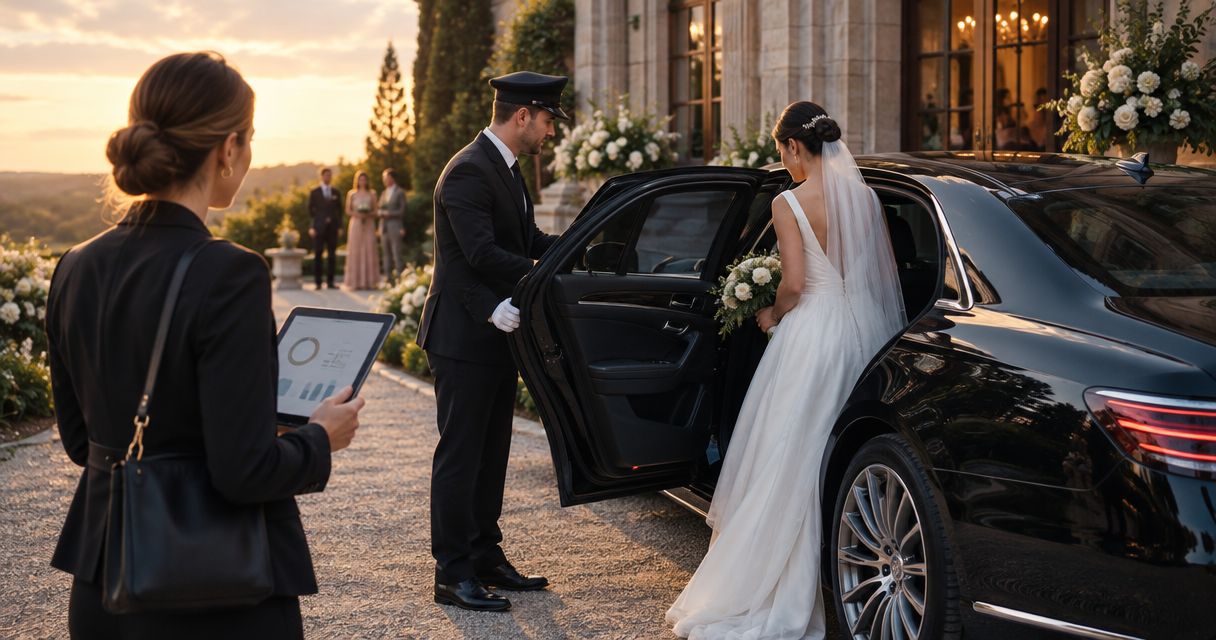
If the same inquiry also includes a wedding car booking, describe it as a separate use with its own passengers, locations, and timing. A property tour and a wedding journey should not share an ambiguous brief simply because the requested vehicle category is similar.
- Confirm collection or meeting instructions in writing.
- Identify the contact responsible for the journey.
- Review the agreed vehicle-condition process for self-drive.
- Restate the final destination and expected finish.
- Separate wedding requirements from property-tour requirements.
Describe your property tour
Include the vehicle, dates, service format, passengers, and full itinerary in your inquiry.
Compare the options for your property tour
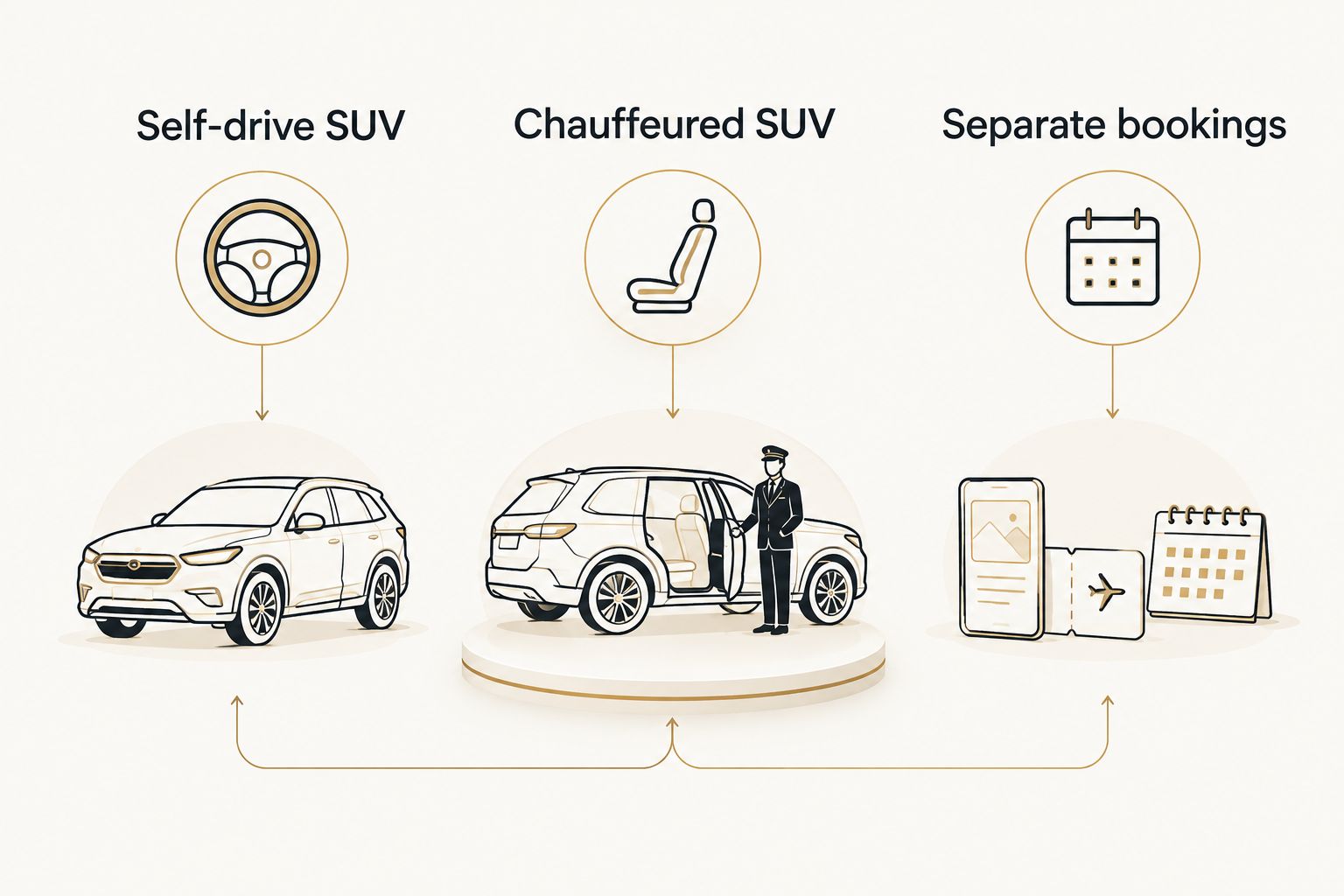
Compare service formats by what you need to do during the journey. The strongest choice is not automatically the most elaborate vehicle. It is the arrangement whose responsibilities and limitations match your appointments.
| Option | Best for | Main advantage | Key limitation |
|---|---|---|---|
| Self-drive SUV | Agents who want driving control | You manage the driving between appointments | You also handle navigation, parking, and agreed driver obligations |
| Chauffeured SUV | Agents hosting clients during travel | Driving is separate from your passenger-facing role | Waiting, route changes, and finishing arrangements need explicit agreement |
| Separate bookings | Agents with distinct solo and client-facing journeys | Each journey can have its own service brief | You must coordinate separate arrangements and handoffs |
A mixed schedule does not require one format for every journey. You can assess self-drive for a solo visit and chauffeured travel for a client tour without assuming either arrangement covers the other. Ask for each booking to be described separately.
Common mistakes real estate agents make
Choosing an exterior before checking the interior
A photograph is not a passenger plan. Ask how the proposed configuration accommodates your group with luggage aboard. Best for group tours: confirmed usable space, rather than an assumption based on the vehicle category.
Treating a chauffeur as an undefined all-day arrangement
A chauffeured booking needs a start, a route, and an anticipated finish. State whether the driver should wait between showings and ask how that arrangement is documented. Do not leave the meaning of standby service unresolved.
Omitting the agent from the passenger count
Count everyone who will travel, including yourself, colleagues, and clients joining partway through. Distinguish the driver from the passenger count when discussing self-drive. Recheck the total whenever the showing party changes.
Leaving the final movement unspecified
The tour does not necessarily end at the last property. Clients might need a different drop-off, while a self-drive vehicle still needs an agreed return. Include that final movement in the original inquiry rather than adding it after the route is accepted.
FAQ
What is the best luxury SUV rental for real estate agents?
The best luxury SUV rental for real estate agents is one with a confirmed layout and service format that fit the property-tour itinerary. Choose self-drive when you want driving control, or chauffeured travel when you want to focus on passengers.
Is a chauffeured SUV better than self-drive for buyer tours?
A chauffeured SUV is better suited to a buyer tour when you want driving separated from your role as host. Self-drive suits agents who prefer to manage the journey themselves, including navigation and parking.
Can I request a black luxury SUV with a chauffeur?
You can specify a black luxury SUV with a chauffeur in your inquiry. Request written confirmation of the proposed vehicle, color, service format, and itinerary rather than treating the request as a confirmed feature.
What should I include when requesting a property-tour rental?
Include the requested vehicle, dates, service format, passenger count, luggage, and complete itinerary. Add appointment times, waiting requirements, the final destination, and any driver or accessibility requirements.
How do I check whether an SUV will fit clients and luggage?
Ask for the proposed vehicle’s seating configuration and assess luggage with the required seats occupied. Describe your actual bags and materials instead of relying on the SUV category alone.
Can I combine a wedding car booking with a property-tour inquiry?
You can describe both needs in one inquiry, but give each journey a separate brief. Wedding car bookings need their own dates, passenger details, pickup locations, destinations, and requested service format.
Does a chauffeured booking include waiting between property showings?
Waiting between property showings must be confirmed in the booking terms. State the planned stops and anticipated waiting periods, then ask how changes or a later finish are handled.
One last thing
Write the last destination first when checking your itinerary. It forces you to resolve the return journey, passenger handoff, or vehicle return before focusing on the arrival. For a 2026 property tour, that final movement belongs in the same written brief as the first pickup.